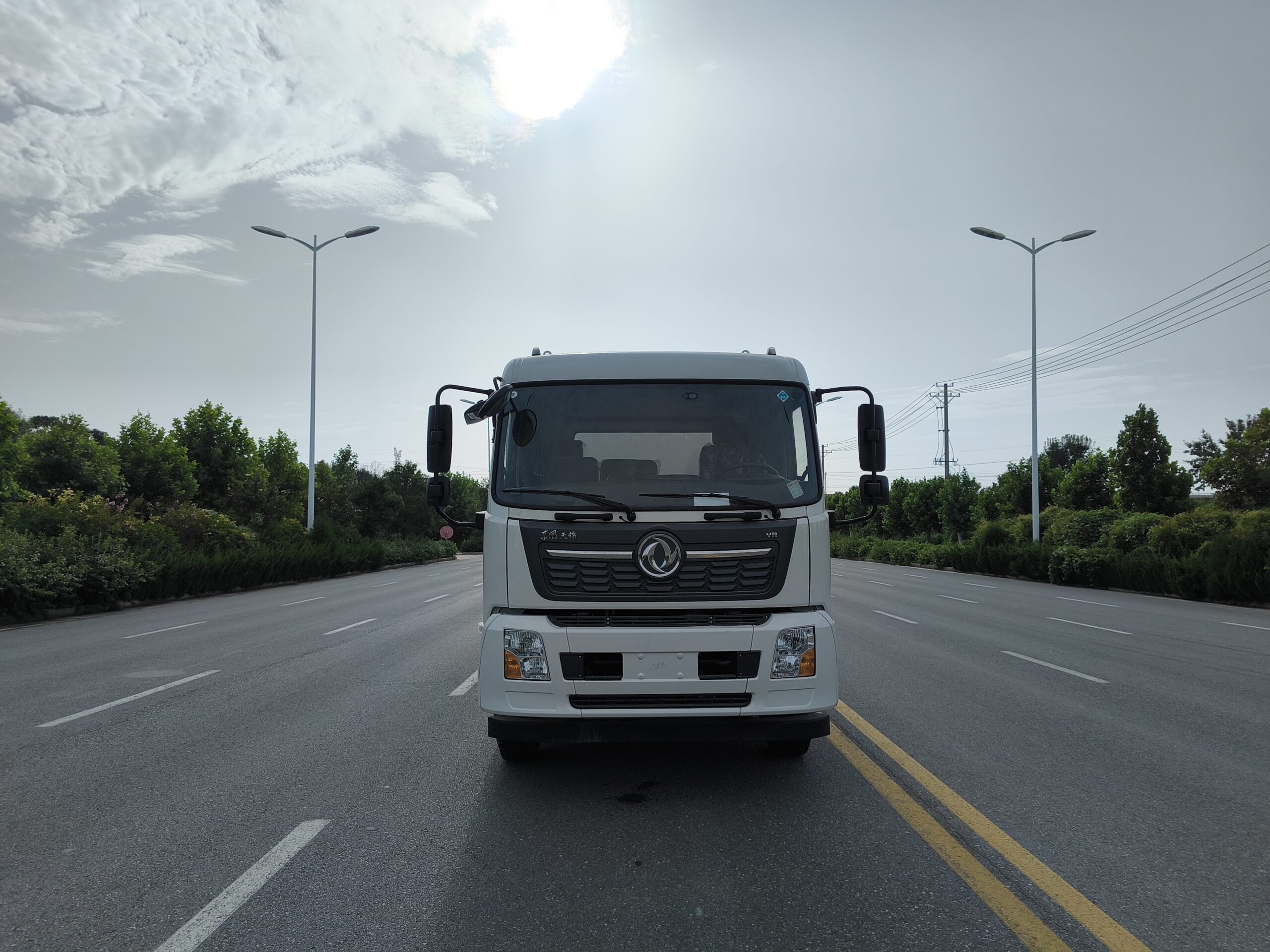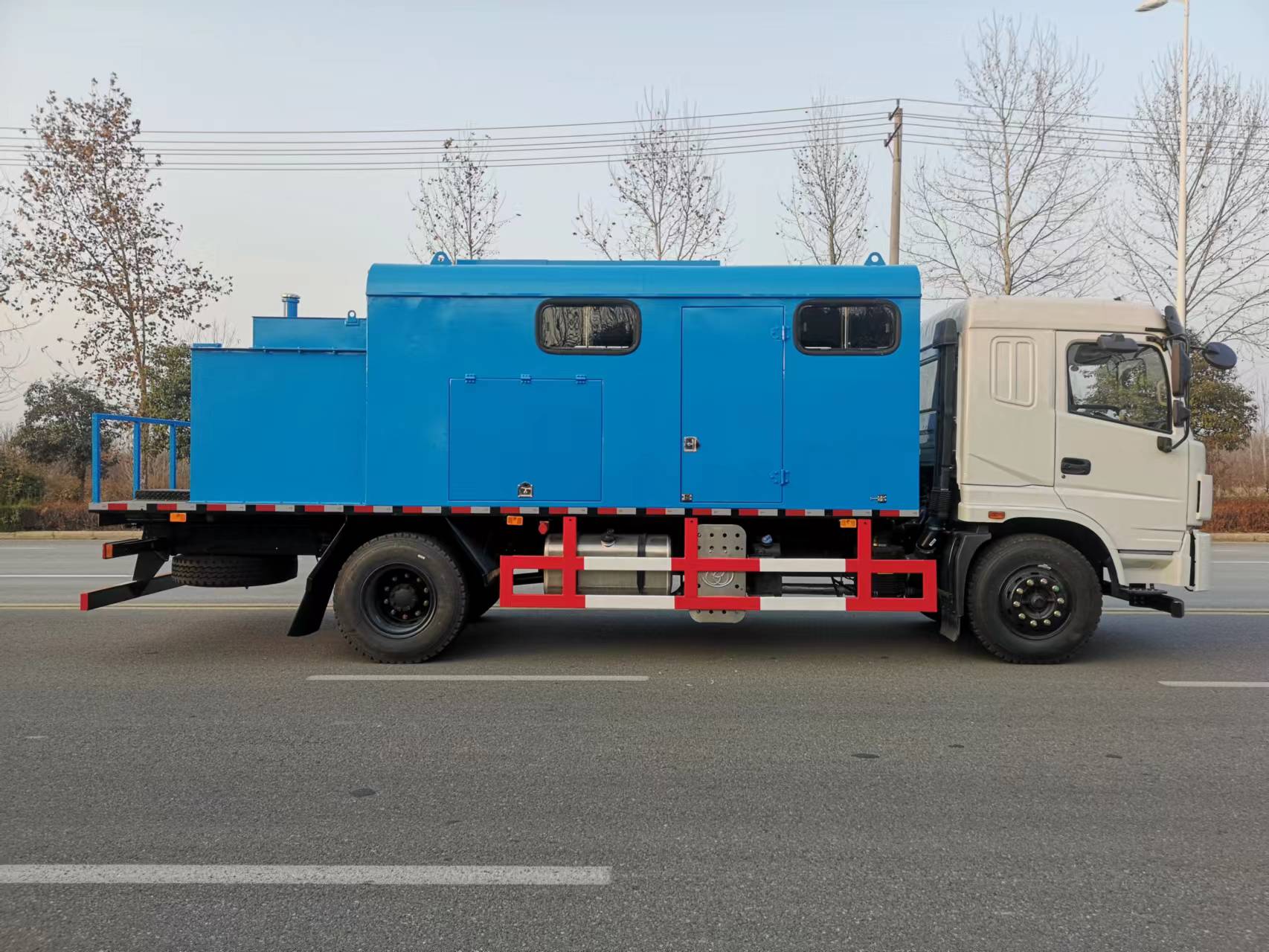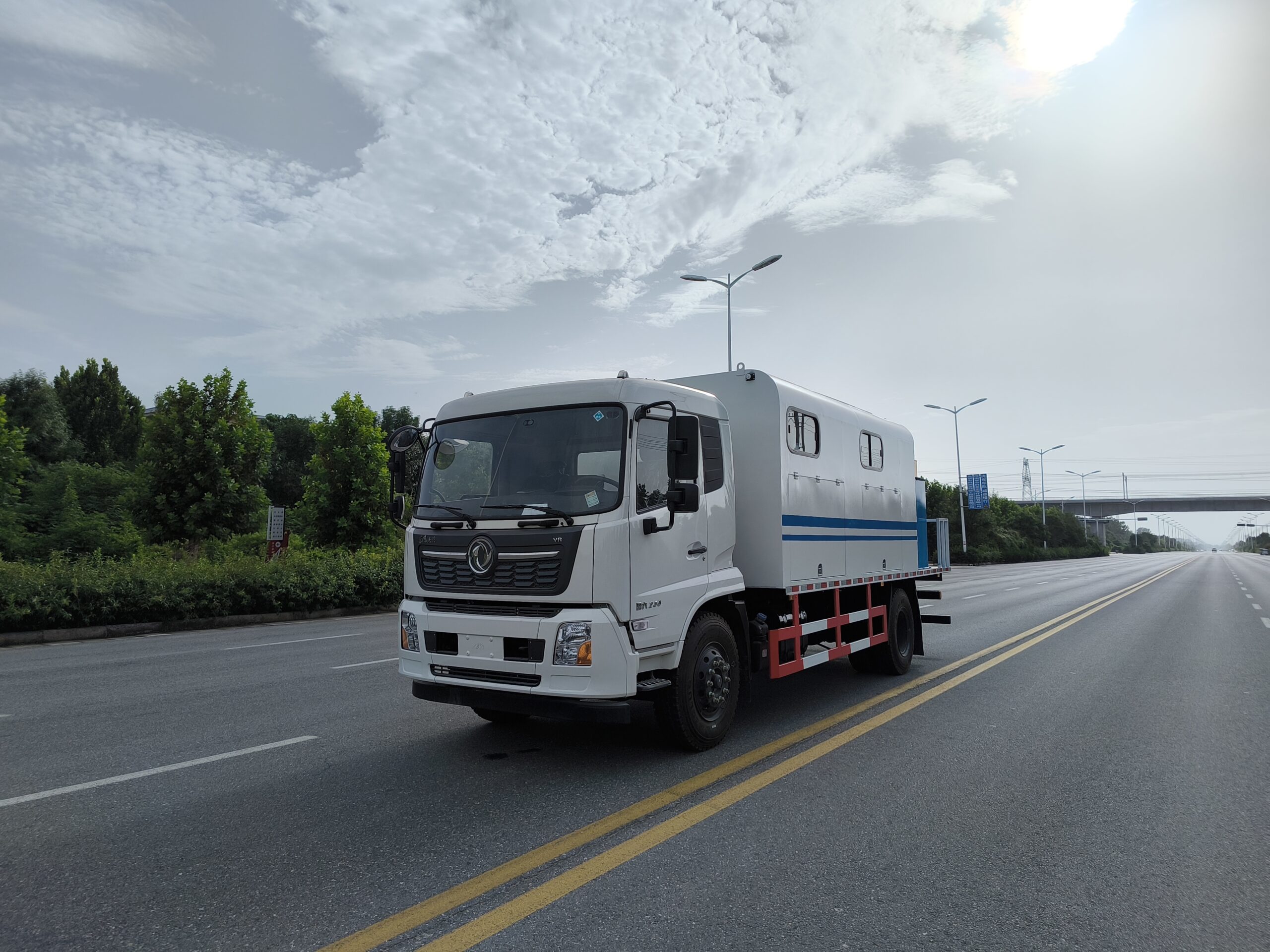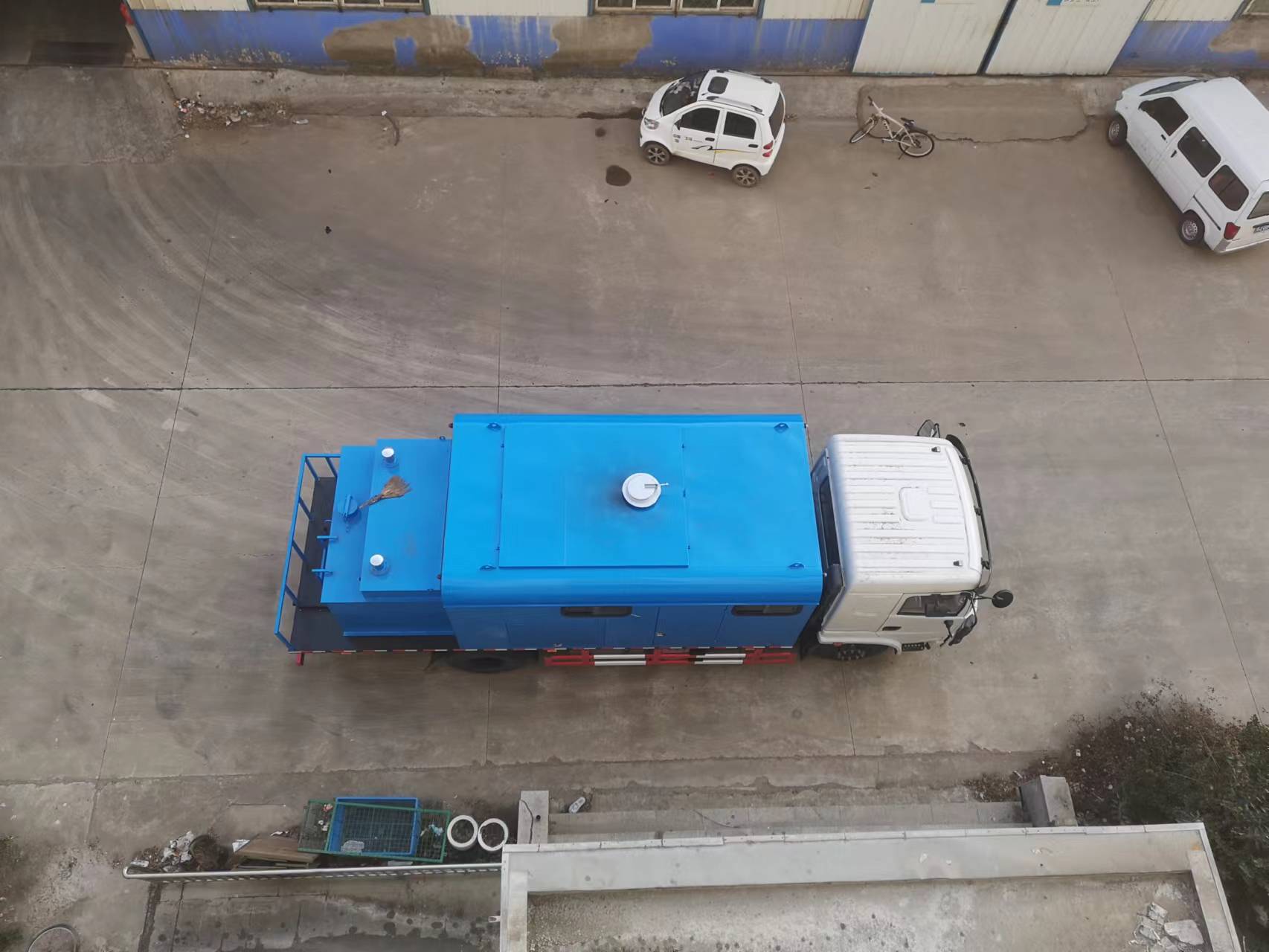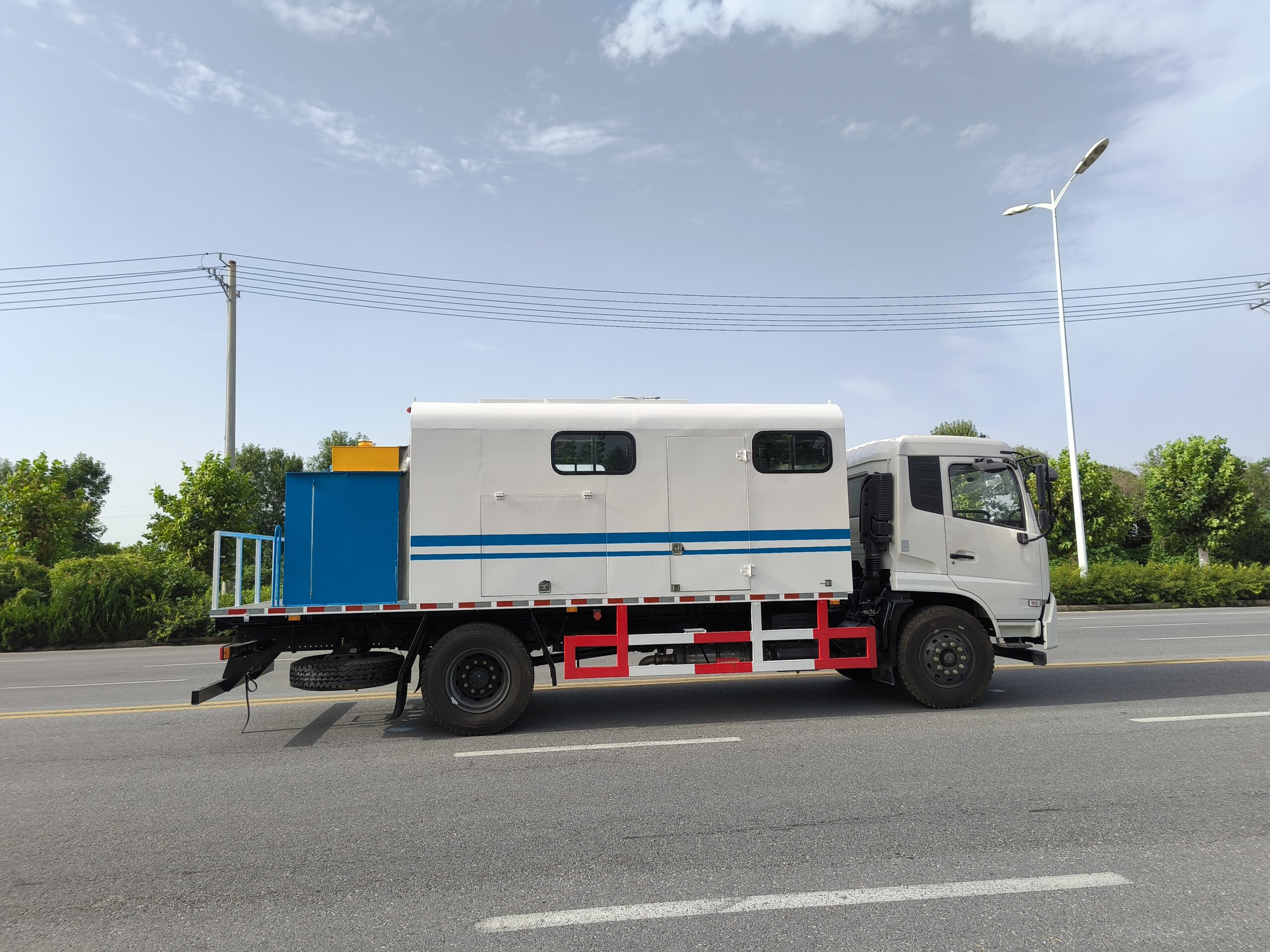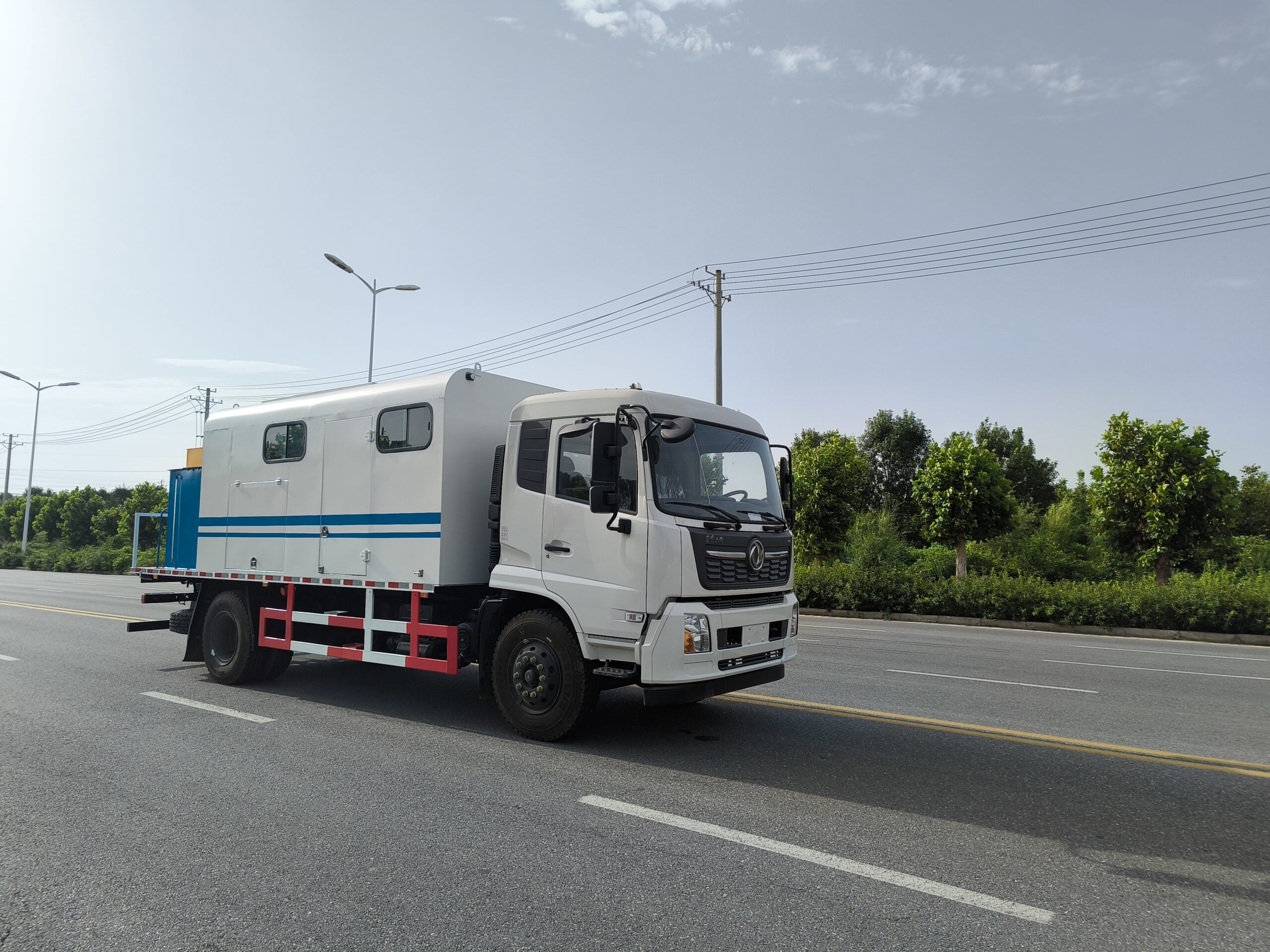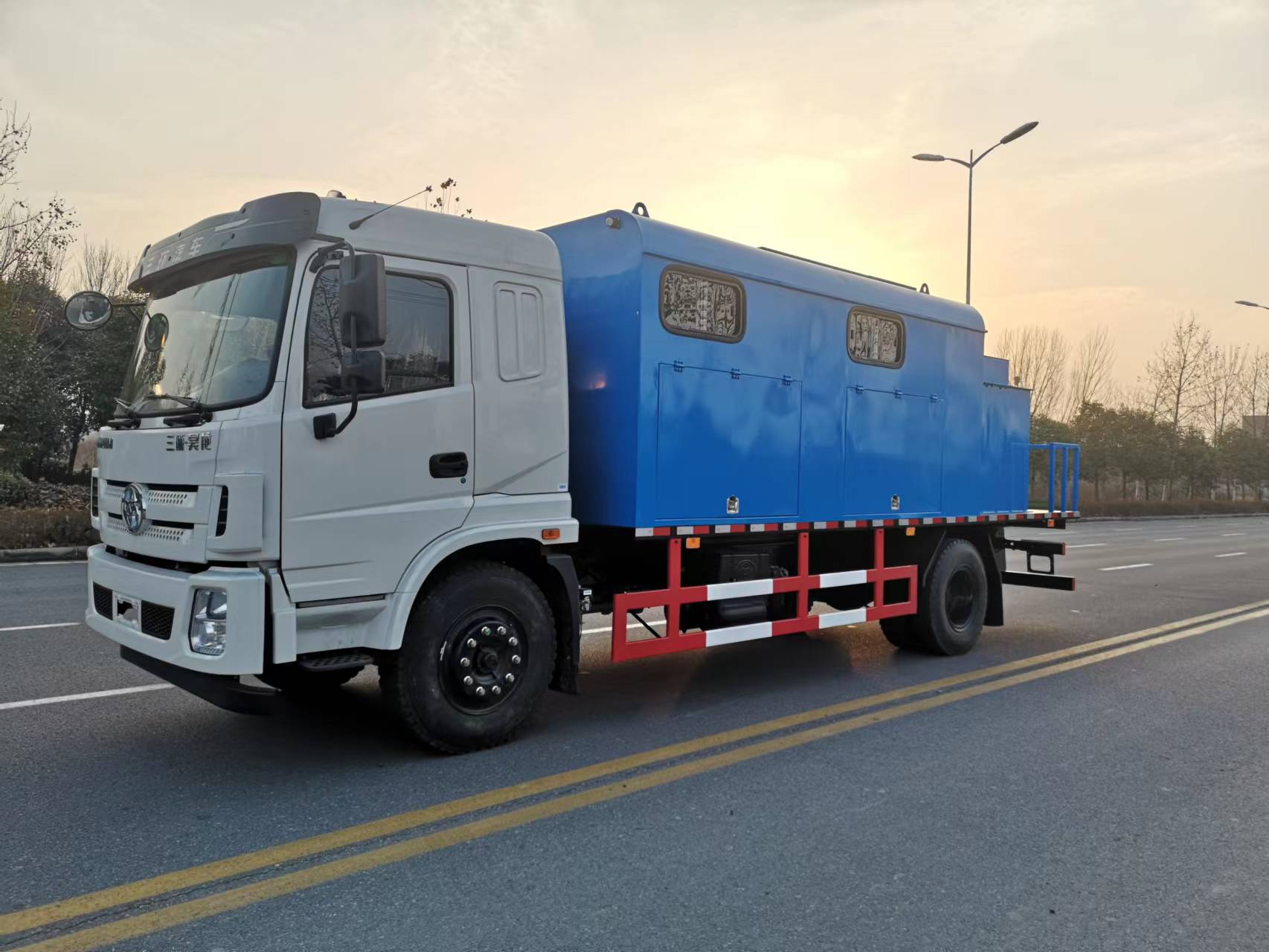
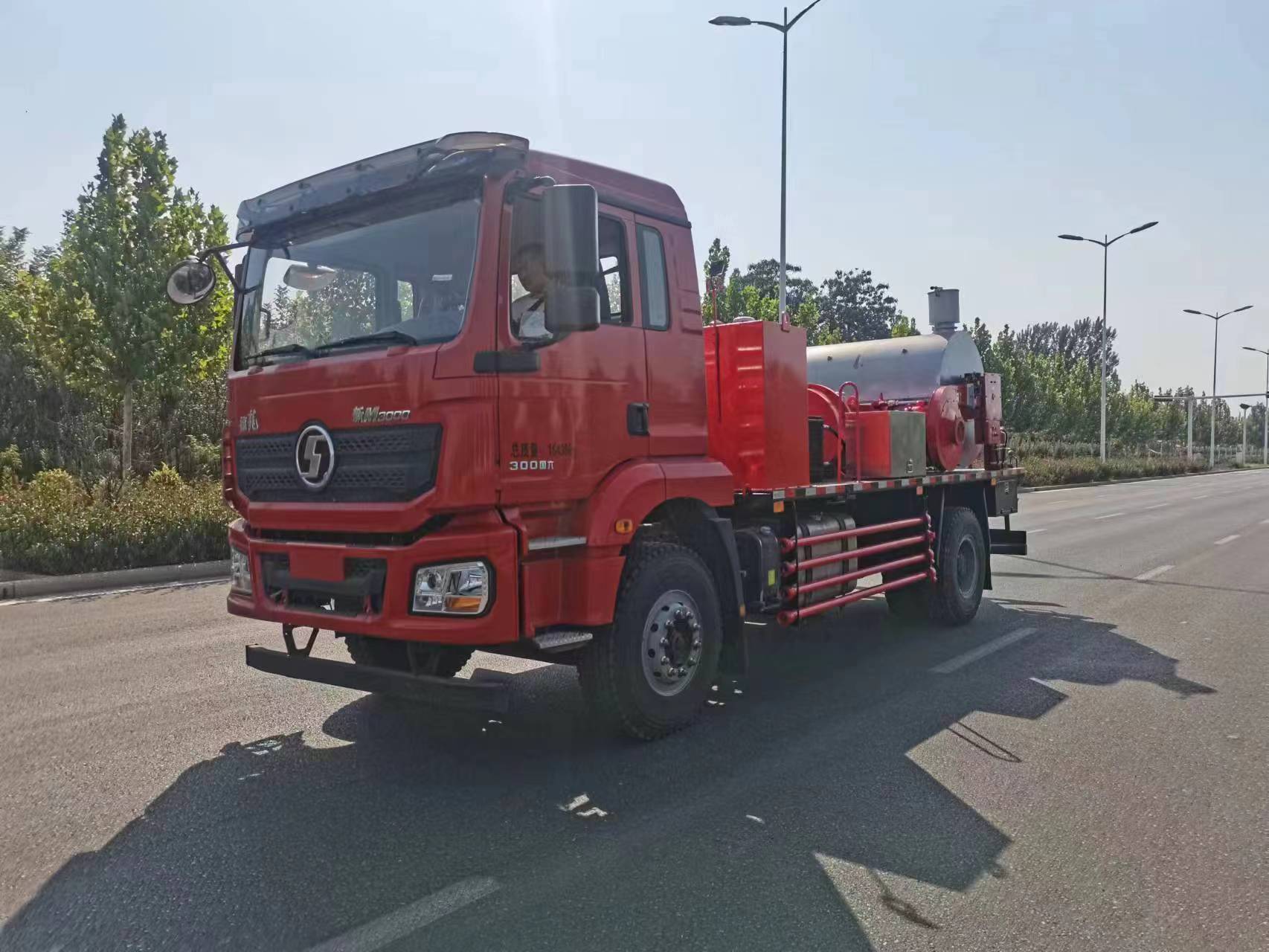
Professional Cementing Truck | Export to Brazil | High Performance Cost-Effective Cementing Truck Ex
Professional Cementing Truck | Export to Brazil | High Performance Cost-Effective Cementing Truck Ex
Professional cementing truck solutions from Henan Vance Petroleum Machinery Co., Ltd. are engineered to meet the demanding conditions of Brazil’s deepwater and onshore oilfields. With precise pressure control, high displacement capability, and robust reliability, these units deliver consistent cementing performance while keeping total cost of ownership low. Operators across Latin America now specify professional cementing trucks when they need equipment that balances efficiency, safety, and long-term value.
Why Professional Cementing Trucks Dominate Brazilian Operations
Professional cementing truck fleets have become the backbone of well integrity programs in Brazil because they combine high-pressure pumping with accurate slurry density control. The equipment must handle variable well depths, high-temperature reservoirs, and aggressive fluids that challenge conventional pumping systems. A properly configured professional cementing truck reduces non-productive time and lowers the risk of remedial cement jobs that can cost operators millions of dollars.
Key Technical Parameters for Brazil-Specific Applications
- Maximum working pressure: 15,000 psi (103 MPa) continuous duty
- Displacement range: 0.8–2.5 m³/min per triplex pump
- Mixing capacity: 1.0–3.0 m³/min with automatic density control ±0.01 g/cm³
- Engine power: 600–800 hp heavy-duty diesel or dual-fuel options
- Chassis: 6×6 or 8×8 all-terrain configuration rated for 45-ton GVW
- Ambient operating range: −20 °C to +55 °C with tropical cooling packages
High-Performance Cost-Effective Design Philosophy
High performance cost-effective cementing truck models achieve their value proposition through modular engineering and standardized components. The triplex plunger pump and mixing system share common parts across multiple chassis platforms, reducing spare-parts inventory and simplifying field training. This design approach cuts lifecycle costs by 18–25 % compared with fully custom units while maintaining the same operational envelope.
Professional cementing truck buyers in Brazil also benefit from local service networks and rapid spare-parts supply. Downtime in offshore or remote jungle locations is measured in hours, not days. The high performance cost-effective cementing truck architecture therefore includes quick-swap manifolds, plug-and-play instrumentation, and remote diagnostics that allow technicians to troubleshoot via satellite link before arriving on site.
Real-World Operating Conditions in Brazilian Fields
Pre-salt reservoirs offshore Brazil require cement slurries that withstand 150 °C bottom-hole temperatures and 12,000 psi differential pressure. A professional cementing truck must therefore deliver stable rheology throughout the job while maintaining precise displacement rates. Onshore fields in the Campos and Santos basins present different challenges: high H₂S content, abrasive proppant, and heavy rain that can turn access roads into mud.
Field data from 2024–2025 campaigns show that professional cementing trucks equipped with automated density control achieved slurry uniformity within ±0.015 g/cm³ on 94 % of jobs. This level of consistency directly correlates with improved zonal isolation and reduced remedial squeeze jobs. Operators report average savings of USD 180,000 per well when high performance cost-effective cementing truck units replace older, less accurate equipment.
Selection Criteria for Brazilian Operators
Step 1 – Define Well Parameters
Begin with maximum anticipated surface pressure, required slurry volume, and bottom-hole circulating temperature. These numbers determine the pump configuration and the need for high-temperature mixing tanks or dual-fuel engines.
Step 2 – Evaluate Chassis and Mobility
Brazilian onshore logistics often involve long distances on unpaved roads. An 8×8 chassis with 450 mm ground clearance and heavy-duty suspension prevents delays that could compromise cement quality. Offshore support vessels require compact footprints and low center-of-gravity designs for safe crane lifts.
Step 3 – Review Automation and Data Acquisition
Modern professional cementing trucks integrate real-time density, pressure, and flow data into cloud-based dashboards. This allows drilling supervisors in Rio or Houston to monitor jobs from anywhere, enabling rapid decision-making when unexpected losses or gas influx occur.
Energy Efficiency and Environmental Compliance
High performance cost-effective cementing truck platforms now incorporate variable-frequency drives on mixing motors and electronically controlled engine idle management. These features reduce fuel consumption by 12–15 % during standby periods. In addition, closed-loop mixing systems minimize waste slurry, helping operators meet Brazil’s strict environmental discharge regulations.
Engine emissions meet Tier 4 Final / Stage V standards when required, and optional CNG or LNG dual-fuel kits further lower carbon intensity. For operators pursuing ESG targets, these upgrades demonstrate measurable progress without sacrificing job performance.
Durability and Safety Features
Professional cementing trucks are built with 316L stainless steel fluid ends, tungsten-carbide plunger coatings, and redundant pressure relief valves. The high-pressure manifold is hydro-tested to 1.5× working pressure before leaving the factory. Safety interlocks prevent pump start-up if the mixing tank level drops below a preset threshold, protecting both equipment and personnel.
Noise attenuation packages keep sound levels below 85 dB(A) at 7 m, an important consideration for jungle operations near sensitive communities. Fire suppression systems and explosion-proof electrical enclosures satisfy Petrobras and ANP safety audits on first inspection.
Maintenance Best Practices for Extended Service Life
Daily checks include visual inspection of fluid-end packing, verification of density sensor calibration, and confirmation that emergency shutdown circuits are functional. Weekly tasks involve oil analysis on the triplex pump crankcase and torque verification on high-pressure connections. A 500-hour service interval is standard, with major overhauls scheduled at 8,000–10,000 operating hours.
Remote monitoring software flags vibration anomalies or temperature excursions before they become failures. Predictive maintenance reduces unplanned downtime by 35 % and extends mean time between failures to over 2,500 hours for critical components.
2026 Industry Trends and Technology Roadmap
By 2026, professional cementing truck fleets are expected to incorporate AI-driven slurry design that adjusts density and rheology in real time based on downhole sensor feedback. Digital twins of each unit will allow engineers to simulate entire cementing programs before mobilization, cutting engineering hours by 30 %.
Electrification of auxiliary systems and hydrogen-ready engine platforms are also on the horizon. High performance cost-effective cementing truck manufacturers are already testing battery-assisted pump drives that can deliver 20 % of peak power from stored energy, further lowering emissions during critical stages of the job.
Henan Vance Petroleum Machinery Co., Ltd. – Your Reliable Partner
Henan Vance Petroleum Machinery Co., Ltd. has supplied professional cementing trucks to Brazilian operators since 2018. Each unit is engineered in compliance with API 11L and ISO 9001 standards, with full documentation in Portuguese and English. The company’s after-sales team provides on-site commissioning, operator training, and 24/7 technical support through a dedicated WhatsApp line.
Customers can explore the full range of oilfield equipment at https://vancepetro.com/. For cementing-specific solutions, detailed specifications are available at https://www.cementingtruck.com. Additional high-demand products frequently paired with cementing operations include oilfield boiler trucks and well flushing trucks.
Summary
Selecting a professional cementing truck that delivers both high performance and cost-effectiveness is critical for Brazilian oilfield operators facing complex reservoirs and tight project schedules. By focusing on proven technical parameters, automation, energy efficiency, and robust after-sales support, companies can achieve superior well integrity while controlling total expenditure. Henan Vance Petroleum Machinery Co., Ltd. stands ready to customize solutions that meet local regulations and operational realities.
FAQ
What is the typical lead time for a professional cementing truck destined for Brazil?
Standard configurations are available in 90–120 days from purchase order. Custom high-temperature or dual-fuel packages may require 150–180 days including factory acceptance testing.
How does the high performance cost-effective cementing truck reduce fuel consumption?
Variable-frequency drives on mixing motors and intelligent engine idle management cut fuel use by 12–15 % during standby periods. Optional dual-fuel kits further reduce diesel dependency.
Can the equipment operate in both onshore and offshore environments?
Yes. Modular skid packages allow the same pumping and mixing systems to be mounted on 8×8 chassis for land or on compact skids for offshore platform and vessel use.
What training is provided with each professional cementing truck?
Henan Vance Petroleum Machinery Co., Ltd. delivers a five-day operator course covering slurry design, equipment operation, and basic troubleshooting. Refresher training is available annually or upon request.
How are spare parts and technical support handled in remote Brazilian locations?
Critical spares are stocked in São Paulo and Macaé warehouses. Remote diagnostics via satellite allow engineers to guide on-site crews through 80 % of common issues without physical presence.
Contact Henan Vance Petroleum Machinery Co., Ltd. today:
Tel/WhatsApp: +86 189 3767 6920
Email: info@vancepetro.com
Website: https://vancepetro.com/